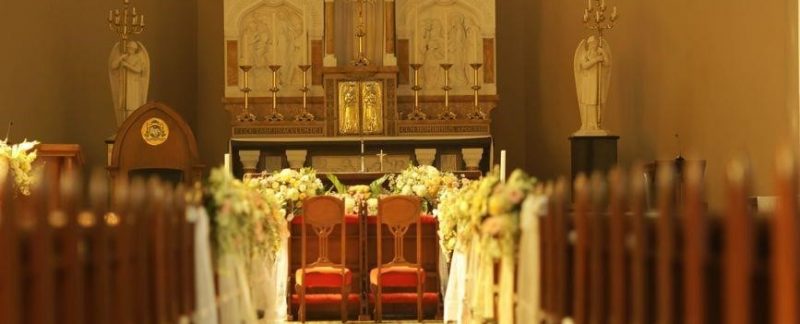
Choosing music for a Catholic wedding sets the tone of reverence and joy. A guide highlights suitable repertoire‚ from Renaissance and Baroque pieces to modern hymns‚ and advises on selecting pieces that honor tradition while reflecting the couple’s love. Also covers practical tips for hiring musicians
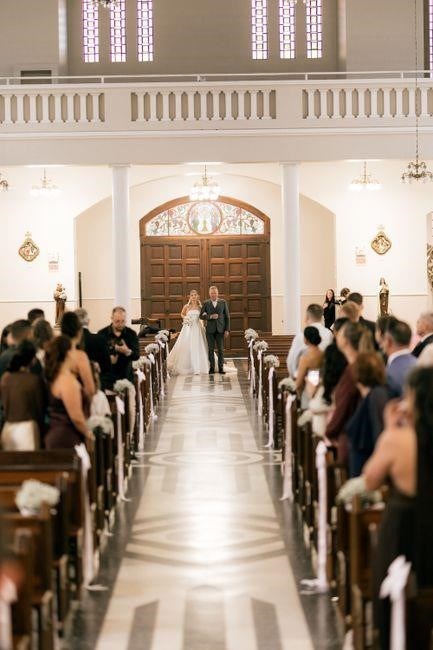
Choosing Traditional Catholic Music
Traditional Catholic music draws from centuries of liturgical heritage. Focus on Renaissance (1400‑1600) and Baroque (1600‑1750) works‚ offering solemn‚ melodic pieces that honor the Mass. Selecting pieces that fit the ceremony’s flow ensures reverence and beauty; These selections enhance atmosphere!!
Recommended Time Periods
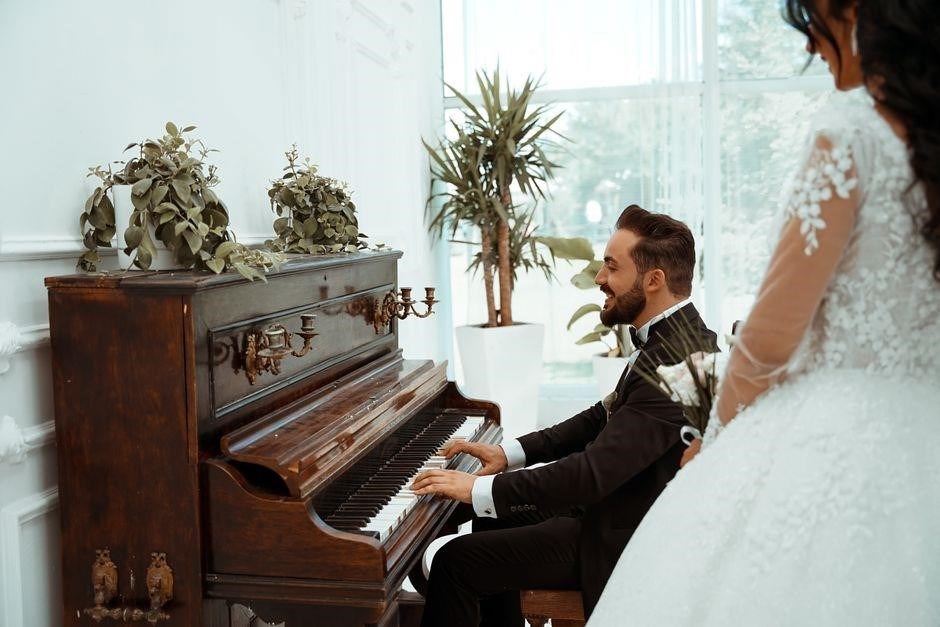
For a Catholic wedding‚ the most resonant music often comes from the Renaissance and Baroque eras. The Renaissance period (1400‑1600) produced polyphonic choral works that emphasize harmony and spiritual depth‚ making them ideal for solemn liturgical settings. Baroque music (1600‑1750) introduced expressive ornamentation and dramatic contrasts‚ providing both reverence and emotional warmth. Selecting pieces from these centuries allows couples to honor the church’s musical heritage while creating a memorable‚ heartfelt atmosphere. Popular composers include Palestrina‚ Byrd‚ and Bach‚ whose compositions are frequently performed in Catholic ceremonies worldwide. When choosing specific works‚ consider the length of each piece‚ the vocal or instrumental arrangement‚ and how it fits within the Mass structure. A well‑chosen Renaissance or Baroque selection can enhance the sacredness of the ceremony and leave a lasting impression on guests and clergy alike. These works often feature intricate counterpoint‚ creating a tapestry of voices that echo the unity and harmony sought in marriage. The clarity of each line‚ whether sung or played‚ reinforces the solemnity of the Mass and invites the congregation to participate in prayerful reflection. Couples may also choose contemporary hymns that echo these themes‚ ensuring the music remains both timeless and personally meaningful. Ultimately‚ the chosen repertoire should weave together tradition‚ personal devotion‚ and the joyous celebration of two hearts becoming one. Let music guide vows.
Pricing for Musicians
When planning a Catholic wedding‚ budgeting for musicians is a critical step that blends artistry with tradition. In most regions‚ a seasoned organist—essential for Mass accompaniment—commands a fee that typically ranges from $200 to $300‚ reflecting the instrument’s central role in liturgical music. Vocalists‚ whether soloists or choir members‚ usually receive between $100 and $200 per performance‚ depending on experience‚ repertoire complexity‚ and rehearsal commitments. Many couples also hire a pianist or a small ensemble for pre‑ceremony or post‑Mass celebrations; such musicians might charge $150 to $250 for a full day’s service. Prices vary widely by geography: urban centers often see higher rates and cost of living‚ while rural areas may offer more modest fees. It is advisable to request detailed quotes that break down hourly rates‚ travel expenses‚ and any equipment rentals. Some musicians bundle services—organ‚ choir‚ and piano—into a single package‚ which can provide cost savings and ensure cohesive musical direction. Additionally‚ consider the musician’s familiarity with Catholic rites; those who have performed at multiple Masses will bring a nuanced understanding of liturgical cues‚ enhancing the ceremony’s flow. Finally‚ remember that the music’s spiritual impact often outweighs the monetary cost—investing in skilled performers helps honor the solemnity of the sacrament and creates an unforgettable experience for the couple and their guests. When negotiating rates‚ it is common to split payment into a deposit and a final balance‚ ensuring both parties are protected. Some musicians offer a rehearsal fee‚ which may be waived if the couple participates in a joint rehearsal with the priest. Equipment considerations include the need for a sound system‚ microphones‚ and a music stand‚ all of which can add to the overall cost. Couples should also inquire about the musician’s availability for pre‑ceremony music‚ such as the processional or the blessing of the altar‚ as well as post‑ceremony music for the recessional or the reception. A well‑chosen musician can also provide guidance on appropriate hymn selections and help coordinate with the officiant to maintain the liturgical flow. Many musicians are willing to offer a discount for couples who commit to a future event or refer other clients‚ which can be a valuable consideration for budget‑conscious families. Ultimately‚ the goal is to find a balance between quality‚ experience‚ and cost‚ ensuring that the music enhances the sacredness of the wedding while staying within the couple’s financial plan. Moreover‚ reviewing the musician’s past recordings or attending a live performance can provide insight into their style and reliability‚ helping couples make an informed decision that aligns with their vision for the ceremony.
Wedding Music Parts and Details
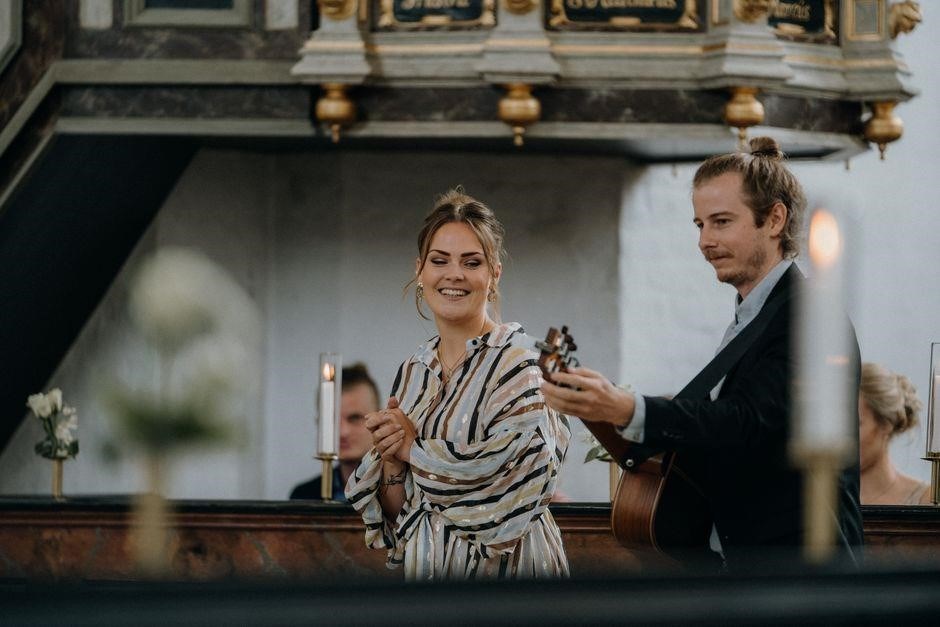
Unity candle moments call for a short‚ reverent vocal solo that underscores the symbolic lighting. Gift presentation often features a brief hymn or solo‚ chosen to resonate with family and celebrate the couple’s shared faith. The music should flow seamlessly. gently
Unity Candle Music Selection
When the couple lights the unity candle‚ the music must be brief yet meaningful‚ reflecting the sacred symbolism of two lives becoming one. A short vocal solo‚ often a traditional hymn or contemporary piece‚ works best. The chosen piece should last no longer than 60–90 seconds‚ allowing the ceremony to flow smoothly while the candles are lit; A soloist‚ preferably a trained vocalist familiar with liturgical style‚ can deliver a heartfelt rendition that underscores the unity theme. If a choir is available‚ a brief choral arrangement can add depth‚ but the focus remains on simplicity and reverence. Couples often choose hymns such as “Ave Maria‚” “Be Thou My Vision‚” or “The Lord’s Prayer.” For a contemporary feel‚ pieces like “You Raise Me Up” can be adapted with a liturgical arrangement. Rehearse the music to match the candle lighting. Let music echo vows binds hearts. Before the ceremony‚ rehearse the music with the musicians to ensure timing aligns with the candle lighting. Consider the venue’s acoustics; a larger sanctuary may require a slightly louder arrangement. Secure any necessary performance rights or permissions‚ especially if the piece is not in the public domain‚ to avoid legal complications during the Mass. Let music echo vows‚ binding hearts. Additionally‚ the music’s key should suit the vocalists’ range to maintain a natural‚ uplifting tone. And
Music for Gift Presentation
When the bride and groom present their gifts—whether a symbolic token‚ a family heirloom‚ or a heartfelt letter—music can underscore the moment’s intimacy and gratitude. A brief vocal solo or congregational hymn is ideal‚ lasting no more than one to two minutes. The chosen piece should echo the themes of gratitude‚ unity‚ and faith‚ and it should be familiar enough that relatives can join in singing. Popular selections include “Ave Maria‚” “Be Thou My Vision‚” or “The Lord’s Prayer.” If the couple prefers a contemporary style‚ a short arrangement of “You Raise Me Up” or “I’ll Be There” can be adapted for a liturgical setting. The soloist or choir should rehearse the timing so the music begins as the gifts are laid on the altar or table‚ allowing congregation to listen and reflect before ceremony proceeds. It is essential to secure any performance rights for non‑public domain pieces and to confirm that the musicians are comfortable with liturgical repertoire. By choosing a concise‚ reverent piece‚ the gift presentation becomes a memorable moment that honors both the couple’s commitment and the community’s support. Moreover‚ the music should be chosen with sensitivity to the couple’s personal story‚ perhaps incorporating a favorite hymn or a piece that holds special meaning. The musicians should rehearse the cue precisely‚ ensuring that the transition from gift presentation to next liturgical moment feels seamless and respectful. This careful selection ensures the ceremony’s rhythm remains dignified‚ allowing guests to absorb moment
Selecting the Best Catholic Wedding Songs
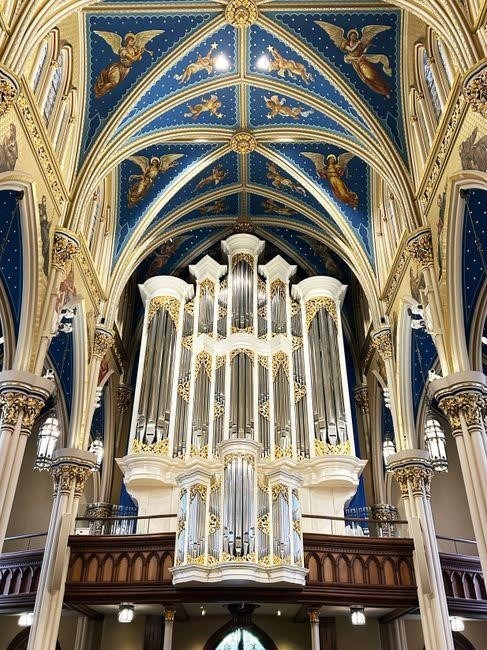
Choosing the finest Catholic wedding songs involves balancing tradition with personal touch. Focus on Renaissance and Baroque hymns‚ modern classics‚ and instrumental pieces that honor the Mass. Ensure musicians understand liturgical context and can lead congregational hymns smoothly. They enrich the.!
Instrumental Choices
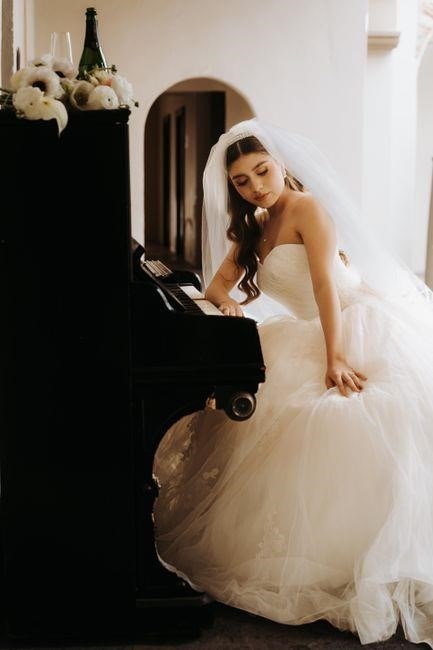
Choosing the right instruments for a Catholic wedding should honor tradition while fitting the venue’s acoustics. Renaissance (1400‑1600) and Baroque (1600‑1750) pieces are favored for their solemn melodies. A solo organ‚ the liturgical staple‚ can lead procession‚ offertory‚ and recessional‚ providing majestic resonance. A small string quartet—violin‚ viola‚ cello‚ double bass—offers warmth for hymns or interludes without overpowering the choir. A harp adds shimmering texture‚ especially during the unity candle or vows‚ while a trumpet or trombone punctuates key moments but should be used sparingly to preserve reverence. When choosing an ensemble‚ consider congregation size and space acoustics; a cathedral may accommodate a full choir and orchestra‚ whereas a parish church may best serve a soloist or duo. Musicians experienced in Catholic liturgy can adapt arrangements to the Mass’s structure‚ ensuring musical choices align with the liturgical calendar. Adding a brief instrumental solo—flute or oboe—during gift presentations ties the ceremony together. Typically‚ a professional organist handles the entire service‚ supplemented by a violinist and pianist for specific moments‚ totaling three musicians. For larger celebrations‚ a quartet or small brass section can be added‚ raising the ensemble to five or six performers. Musicians should be selected for technical skill and sensitivity to liturgical nuances‚ such as appropriate tempo‚ dynamics‚ and phrasing that respect the sacred text. By carefully choosing instruments that complement the Mass’s solemnity and the couple’s style‚ the wedding’s musical program will resonate with both congregation and newlyweds‚ creating a lasting impression of reverence and joy. It echoes devotion and love!
Number of Musicians Needed
Determining the optimal number of musicians for a Catholic wedding hinges on venue size‚ musical repertoire‚ and budget. A typical parish Mass benefits from a solo organist‚ who can lead processional hymns‚ offertory chants‚ and recessional fanfares. For intimate ceremonies‚ one organist suffices; for larger churches‚ a second organist or a pianist can provide harmonic support during readings or the homily. When the couple wishes to include instrumental interludes—such as a violin solo during the exchange of vows or a brass fanfare at the announcement—adding a violinist or trumpet player enriches the music without overwhelming the liturgy. A small string quartet—violin‚ viola‚ cello‚ double bass—is ideal for weddings in spacious venues‚ performing preludes‚ postludes‚ and hymns‚ creating a cohesive musical narrative. For celebrations with a choir‚ a director should coordinate vocalists to align with the Mass’s structure. In many cases‚ a quartet plus a choir director and a solo organist totals five musicians‚ balancing musical richness with logistical simplicity. If the ceremony includes a unity candle or gift presentation‚ a brief solo—such as a harp or flute—can be incorporated‚ requiring an extra musician. Budget considerations dictate whether a full ensemble or a lean trio is feasible; however‚ the primary goal is to support the sacred text and enhance the couple’s celebration. By matching the ensemble size to the ceremony’s scale and musical needs‚ couples can achieve a harmonious blend of tradition and personal expression!!
Musician Experience with Catholic Services
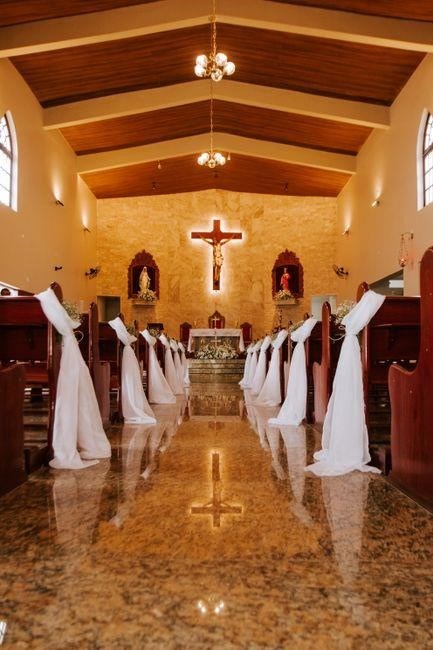
When selecting performers for a Catholic wedding‚ experience with liturgical settings is paramount. A seasoned musician will know how to navigate the Mass’s structure‚ cueing hymns at the procession‚ offertory‚ and recessional‚ and adjusting tempo to match the solemnity of readings. Familiarity with Gregorian chant‚ polyphonic hymns‚ and contemporary Catholic repertoire ensures seamless transitions between spoken and sung elements. Musicians who have served in parish services understand the importance of reverence‚ maintaining appropriate volume levels and respecting the sacred space. They also possess the skill to improvise when unexpected changes occur‚ such as a delayed procession or a last‑minute hymn request. Moreover‚ experienced performers can collaborate with the priest and choir director to align musical selections with the officiant’s script‚ ensuring that each musical moment enhances the liturgy rather than distracting from it. Prior engagements at similar ceremonies demonstrate reliability‚ punctuality‚ and the ability to work within the church’s acoustic constraints. By prioritizing musicians with a proven track record in Catholic services‚ couples secure a musical backdrop that honors tradition‚ supports the sacrament‚ and reflects the couple’s love within the sacred framework. Experienced musicians also understand the significance of liturgical timing‚ ensuring that hymns are performed at appropriate moments‚ such as during the offertory or the communion procession. They are familiar with the acoustics of parish churches‚ adjusting dynamics to maintain clarity of prayer and chant. Moreover‚ they can collaborate with the choir director to blend vocal and instrumental parts‚ creating a musical narrative that supports the sacramental celebration. Couples can trust that seasoned performers will honor both tradition and the couple’s expression within the sacred context!!
Comprehensive Guide to Catholic Wedding Music
This guide walks couples through selecting hymns‚ pieces‚ and timing that honor the Mass. It covers choosing repertoire‚ pricing‚ and ensuring musicians understand liturgical flow. Follow these steps for a seamless‚ reverent celebration.Enjoy music
Ensuring Musical Reflects Love
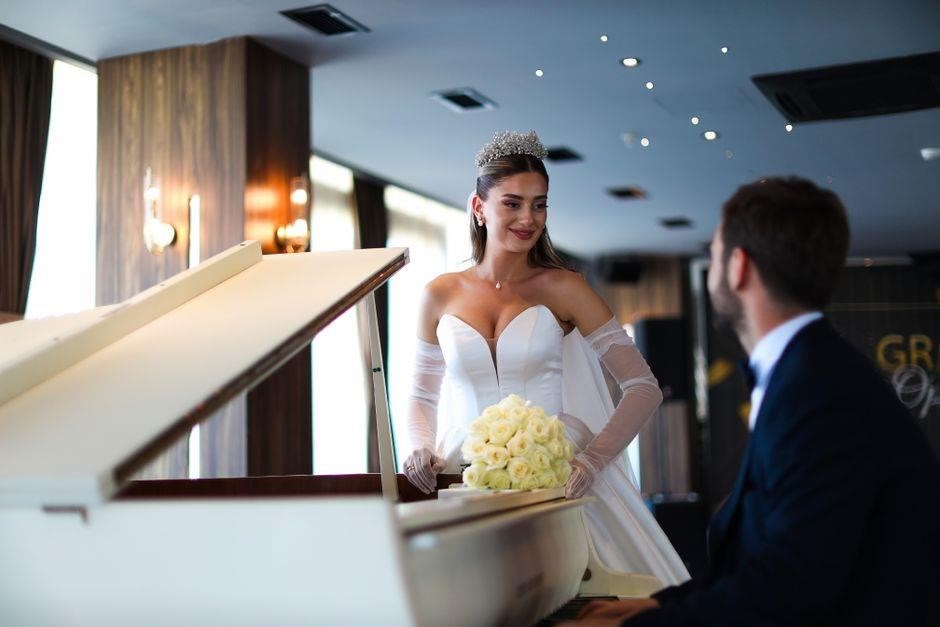
To make the music echo your love‚ start by selecting pieces that speak to the heart of the couple. A common approach is to choose a Renaissance or Baroque hymn for its timeless‚ reverent quality‚ then pair it with a modern‚ lyrical song that captures personal sentiment. The key is balance: the solemnity of the Mass should not overpower the intimacy of the vows.
Begin with the first procession: a gentle organ prelude or a soft string ensemble sets the tone. During the exchange of vows‚ a solo vocal or a small choir can deliver a hymn that reflects commitment‚ such as “Ave Maria” or “Be Still.” These selections should feel personal yet liturgical‚ allowing the congregation to participate while the couple feels deeply connected.
For the communion‚ choose a piece that invites reflection—perhaps a Baroque motet or a contemporary hymn. The music should be quiet enough to let the words of the sacrament resonate‚ yet uplifting to remind the couple of the covenant they are entering.
After the ceremony‚ a celebratory piece—often a modern pop hymn or a joyful instrumental—can close the Mass. This final segment should celebrate the union‚ echoing the joy of the vows while respecting the sacred setting. By carefully curating each musical moment‚ the ceremony becomes a living testament to love and faith.
Incorporating a personal hymn‚ such as a favorite family song‚ can deepen the ceremony’s emotional resonance‚ allowing guests to feel the couple’s shared history and future hopes. Together. Love. Joy.
Respecting the Solemnity of the Occasion
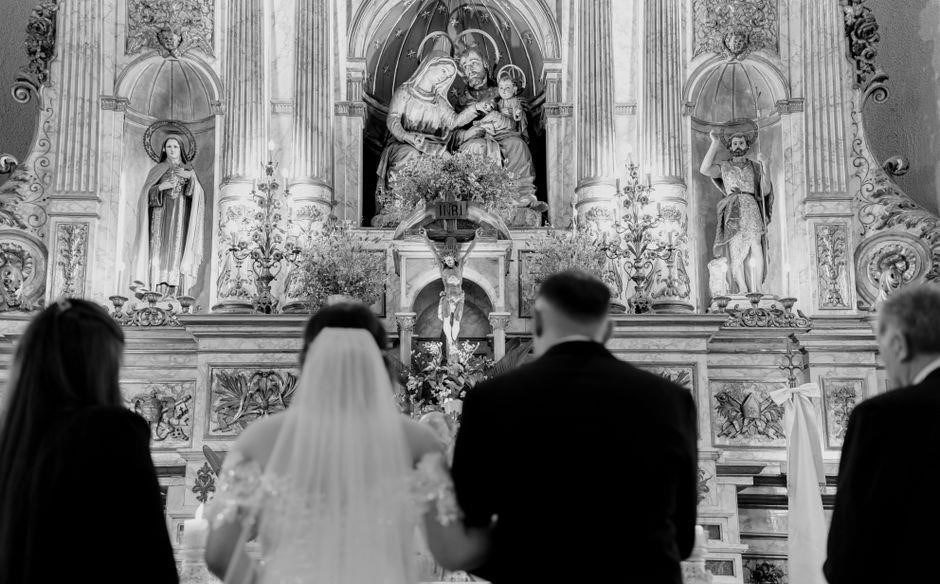
Music in a Catholic wedding must uphold the sacredness of the Mass while reflecting the couple’s devotion. Begin with repertoire that follows liturgical norms: Gregorian chant‚ Renaissance motets‚ or Baroque hymns that have long served Catholic worship. These works convey reverence and continuity‚ reinforcing the solemnity of the sacrament.
During the procession‚ a low‑key organ prelude or a small string ensemble sets a contemplative mood. The music should be modest‚ allowing the congregation to focus on the liturgical action rather than on performance. When vows are exchanged‚ a solo or choir rendition of a traditional hymn—such as “Ave Maria‚” “Be Still‚” or an approved contemporary hymn—bridges personal commitment and communal prayer.
For communion‚ choose a quiet‚ reflective piece: a Baroque motet or gentle choral setting of a Mass ordinary. Tempo and dynamics must support the Eucharistic mystery‚ ensuring the music enhances the solemnity without drawing undue attention.
After the Mass‚ a celebratory yet respectful piece may close the ceremony. An uplifting modern hymn or instrumental arrangement can celebrate the new life together while maintaining reverence for the sacrament entered.
Musicians should be experienced in Catholic liturgy‚ familiar with music rubrics‚ and capable of adjusting volume and style to suit each moment. Their professionalism guarantees that the music enhances the sacred atmosphere‚ allowing the couple and guests to experience a truly reverent celebration. All music follows.