Understanding Crossdressing: A Beginner’s Guide (Updated 01/22/2026)
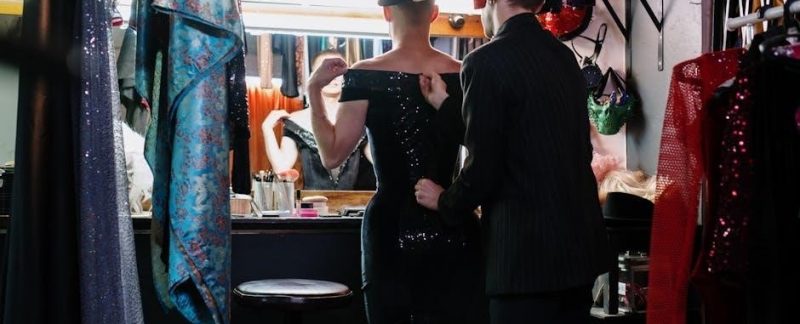
Crossdressing, fundamentally, involves wearing attire traditionally linked to a different gender, embracing aesthetic fluidity and self-expression without inherent gender constraints․
This guide offers foundational tips for beginners, emphasizing gradual exploration and cost-effective choices to build confidence and style within this exciting realm․
Starting slowly, discovering personal preferences, and avoiding impulsive spending are key to a fulfilling and comfortable crossdressing journey, fostering self-acceptance․
Ultimately, crossdressing is about blurring gender lines and embracing one’s true self, allowing individuals to explore identity through clothing and presentation․
What is Crossdressing?
Crossdressing, at its core, is the act of wearing clothing traditionally associated with a gender different from one’s own assigned sex․ It’s a practice that transcends simple costume play, representing a form of self-expression and exploration for many individuals․ A man choosing to wear a dress, or a woman opting for a necktie, exemplifies this fundamental concept – it’s about the clothing, not necessarily a shift in gender identity․
Many view clothing as simply fabric and design, devoid of inherent gender restrictions․ This perspective highlights that garments should be accessible to anyone who wishes to wear them, regardless of societal norms․ Crossdressing isn’t about becoming another gender; it’s about experimenting with aesthetics and challenging conventional expectations․ It’s a spectrum, ranging from occasional playful experimentation to a more consistent part of one’s self-presentation․
The motivations behind crossdressing are diverse and personal, and it’s crucial to understand that it doesn’t automatically indicate anything about someone’s sexual orientation or gender identity; It’s a practice that exists independently, offering a unique avenue for self-discovery and creative expression․
The Motivations Behind Crossdressing
The reasons individuals engage in crossdressing are incredibly varied and deeply personal․ It’s a misconception to assume a single driving force; motivations span a broad spectrum of emotional, psychological, and creative factors․ For some, it’s a playful exploration of aesthetics, a chance to experiment with different styles and challenge societal norms surrounding gendered clothing․
Others find empowerment and liberation in expressing a side of themselves that feels suppressed or unexplored․ Crossdressing can be a form of self-discovery, allowing individuals to connect with aspects of their identity they hadn’t previously acknowledged․ It can also be a source of sexual arousal for some, though this is not universally the case․
Furthermore, it can be a coping mechanism for stress or anxiety, providing a temporary escape or a sense of control․ Ultimately, the motivation is unique to each individual, and understanding this diversity is crucial to approaching the topic with sensitivity and respect․
Crossdressing vs․ Transgender Identity
It’s vital to understand that crossdressing and transgender identity are distinct concepts, though often mistakenly conflated․ Crossdressing is about clothing and presentation; it’s the practice of wearing attire traditionally associated with a different gender, without necessarily aligning with a different gender identity․
Transgender identity, conversely, relates to a person’s internal sense of being male, female, both, or neither, which differs from the sex they were assigned at birth․ A transgender person may or may not crossdress, and crossdressing does not automatically indicate a transgender identity․
Some crossdressers may identify as cisgender – meaning their gender identity aligns with their assigned sex – while others may be exploring their gender․ Respecting individual self-identification is paramount․ It’s crucial to avoid assumptions and allow individuals to define their own identities and expressions․

Getting Started: Essential First Steps
Begin your journey with self-reflection, defining your personal style, and prioritizing comfort over extravagance; gradual exploration is key to confidence․
Self-Exploration and Defining Your Style
Embarking on your crossdressing journey begins with profound self-exploration․ Before any purchases, dedicate time to understanding why you’re drawn to this expression․ What aspects of feminine clothing appeal to you? Is it the fabrics, the silhouettes, or the overall aesthetic?
Experiment privately, trying on different styles and looks․ Don’t limit yourself to preconceived notions; explore various colors, patterns, and garments․ Consider creating mood boards or Pinterest collections to visually represent your evolving style preferences․
Think about the persona you wish to project․ Do you envision a glamorous, sophisticated look, or something more casual and playful? This self-discovery phase is crucial for building confidence and ensuring your wardrobe reflects your authentic self․ Remember, there are no rules – your style is uniquely yours!
Budgeting for Your Crossdressing Journey
Starting a crossdressing wardrobe doesn’t require a lavish investment․ Prudent budgeting is essential, especially for beginners․ Avoid overwhelming yourself with expensive purchases initially; focus on cost-effective options to build a foundation․
Thrift stores, consignment shops, and online marketplaces offer affordable clothing and accessories․ Prioritize essential items like undergarments and versatile pieces that can be mixed and matched․ Consider starting with neutral colors to maximize outfit combinations․
Allocate funds strategically․ A small budget for makeup, wigs, and shoes can be expanded over time․ Remember, quality doesn’t always equate to price․ Research brands and read reviews before making significant purchases․ Track your spending to stay within your financial comfort zone and avoid unnecessary guilt․
Building Your Wardrobe: Clothing Essentials
Constructing a crossdressing wardrobe centers on foundational pieces: undergarments, dresses, skirts, tops, and blouses, all carefully selected for fit and desired aesthetic․
Undergarments: Foundations for a Feminine Silhouette
Undergarments are absolutely crucial for achieving a convincingly feminine shape when crossdressing, serving as the literal foundation for your desired silhouette․ Forget simply grabbing any bra; proper sizing and style are paramount․ A well-fitted bra creates the illusion of a natural bustline, and silicone inserts can further enhance this effect, offering customizable volume and shape․
Consider padded bras, push-up bras, or even breast forms depending on your desired level of enhancement․ Shapewear, such as high-waisted panties or shaping shorts, smooths the hips and waist, creating an hourglass figure․ Hosiery, like pantyhose or stockings, not only completes the look but also provides a smoother leg appearance․ Don’t underestimate the power of a comfortable and supportive foundation – it impacts confidence and overall presentation significantly․ Experiment with different styles to discover what works best for your body and desired aesthetic․
Choosing the Right Dresses and Skirts
Selecting dresses and skirts requires careful consideration of fit, fabric, and style to flatter your figure․ A-line dresses are universally flattering, cinching at the waist and flowing outwards, creating a balanced silhouette․ Wrap dresses are another excellent choice, allowing for adjustable fit and emphasizing curves․ Skirt lengths vary, but knee-length or midi skirts often provide a classic and versatile look․
Pay attention to fabric; lighter fabrics like chiffon or silk drape beautifully, while heavier fabrics offer more structure․ Consider your body shape – if you have broader shoulders, opt for styles that balance your proportions, like dresses with fuller skirts․ Don’t be afraid to experiment with different colors and patterns, but start with classic pieces that can be easily mixed and matched․ Prioritize comfort and confidence when making your selections․
Tops, Blouses, and Shirts: Completing the Look
Complementing dresses and skirts with the right tops is crucial for a cohesive and feminine aesthetic․ Blouses with delicate fabrics like silk or satin add a touch of elegance, while fitted knit tops create a streamlined silhouette․ Consider necklines – V-necks elongate the neck, while scoop necks soften the look․ Experiment with different sleeve lengths, from cap sleeves to long sleeves, depending on the season and your personal preference․
For a more casual look, fitted t-shirts or button-down shirts can be paired with skirts․ Pay attention to the fit; tops should skim the body without being too tight or too loose․ Layering with cardigans or jackets can add dimension and warmth․ Don’t underestimate the power of color coordination – choose tops that complement your dresses and skirts for a polished finish․
Accessories: The Finishing Touches
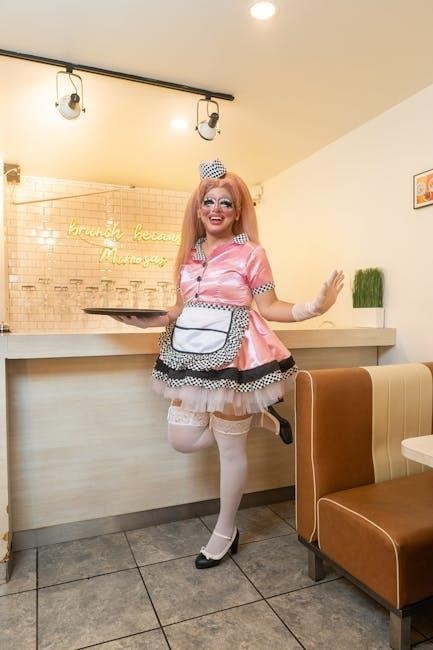
Accessories elevate any ensemble, adding personality and polish; wigs, makeup, and shoes are transformative elements, completing the feminine presentation and boosting confidence․
Strategic choices refine the overall look, showcasing individual style and enhancing the desired aesthetic with carefully selected details and finishing touches․
Wig Selection, Care, and Styling
Wig selection is crucial; consider fiber type – synthetic for affordability and ease, human hair for realism and styling versatility․ Cap construction impacts comfort and appearance; lace fronts offer a natural hairline, while monofilament tops mimic scalp texture․
Beginners often start with synthetic wigs, experimenting with styles before investing in human hair․ Color matching your skin tone is vital for a believable look․ Proper care extends wig life: gentle washing with specialized shampoo, conditioning, and air drying are essential․
Avoid heat styling on synthetic fibers unless specifically heat-resistant․ Styling involves brushing with a wig brush, using styling products designed for synthetic or human hair, and potentially trimming for a customized fit․ Learning basic braiding, curling, or straightening techniques enhances versatility․ Secure the wig properly with a wig cap for comfort and stability․
Makeup Basics for Crossdressers
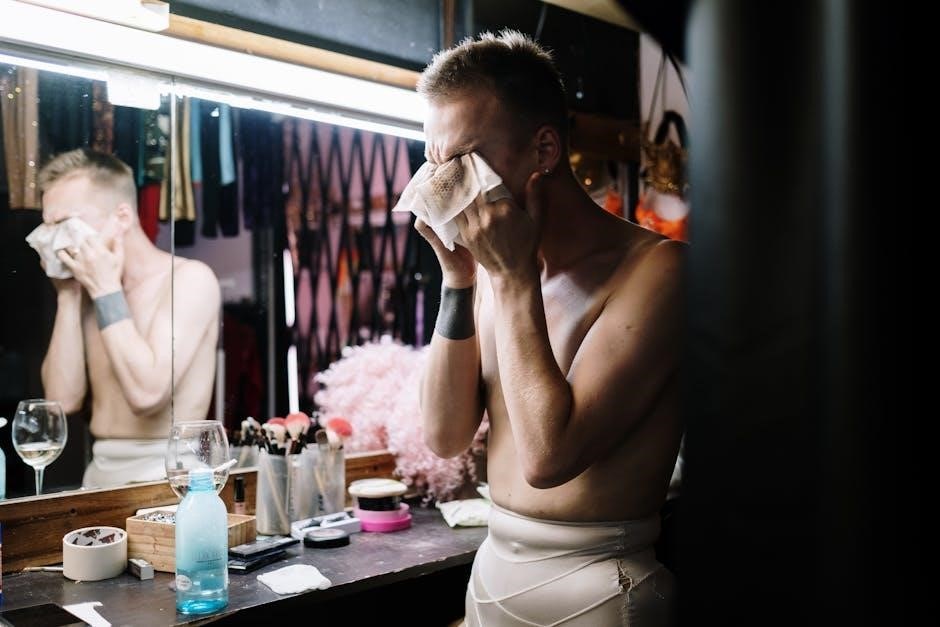
Makeup for crossdressing aims to enhance feminine features․ Start with a flawless base: primer, foundation matching your skin tone, and concealer to cover imperfections․ Contouring and highlighting sculpt the face, creating shadows and emphasizing high points like cheekbones․
Eyeshadow application defines the eyes; neutral tones are beginner-friendly․ Eyeliner and mascara lengthen and volumize lashes․ Brows should be shaped and filled in to frame the face․ Blush adds color and dimension to cheeks․
Lipstick completes the look; choose shades complementing your skin tone and outfit․ Practice blending techniques for a seamless finish․ Don’t be afraid to experiment with different looks, watching tutorials for guidance․ Remember, makeup is a tool for self-expression and confidence building․
Shoes: Heels, Flats, and Everything In Between
Shoes are crucial for completing a feminine silhouette․ Heels instantly add height and alter posture, creating a more traditionally feminine appearance, but start with lower, more comfortable options․ Practice walking in them before venturing out!
Flats, like ballet flats or loafers, offer a more subtle approach, providing comfort without sacrificing style․ Consider pointed-toe flats to elongate the legs․ Sandals can be appropriate for warmer weather, but choose styles that are elegant and feminine․
Shoe size is vital; women’s sizing differs from men’s․ Experiment with different styles to find what suits your feet and overall look․ Don’t underestimate the impact of a well-chosen pair of shoes on your confidence and presentation․
Presentation and Confidence
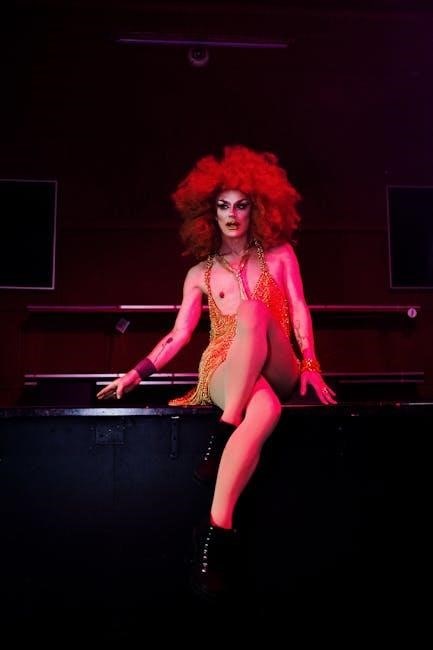
Confidence blossoms from embracing your feminine persona, practicing poses, and navigating social interactions with grace and self-assurance, fostering genuine self-expression․
Posing and Photography Tips
Capturing your look beautifully requires understanding posing and photography basics․ Start with relaxed postures, avoiding stiffness; gentle curves and slight angles often photograph better than rigid stances․
Experiment with different poses – consider classic feminine poses seen in magazines, but adapt them to feel natural for you․ Practice in front of a mirror to identify your most flattering angles․
Lighting is crucial․ Soft, diffused light minimizes harsh shadows and enhances features․ Natural light is ideal, but if using artificial light, avoid direct flash․
Consider the background; a simple, uncluttered backdrop will keep the focus on you․ Don’t be afraid to ask a trusted friend for help with taking photos, or use a self-timer․
Editing can enhance your photos, but aim for subtle adjustments – focus on brightness, contrast, and color correction․ Remember, the goal is to showcase your authentic self!

Developing Your Feminine Persona
Crafting a persona is about exploring and expressing a side of yourself, not necessarily becoming someone else entirely․ It’s a journey of self-discovery, allowing you to embody qualities you admire․
Consider what aspects of femininity resonate with you – is it grace, confidence, playfulness, or something else? Observe and learn from women you admire, but avoid direct imitation․
Experiment with mannerisms, voice modulation, and body language․ Small changes can significantly impact your overall presentation․ Practice in private to build comfort and authenticity․
Your persona is fluid; it can evolve over time as you gain confidence and self-awareness․ Don’t feel pressured to conform to any specific archetype or expectation․
Ultimately, the most compelling persona is one that feels genuine and empowering․ Embrace your individuality and allow your unique personality to shine through․
Navigating Social Situations
Entering social settings as a crossdresser requires careful consideration and preparation․ Start with supportive environments and trusted friends before venturing into unfamiliar territory․
Safety is paramount; always assess the potential risks and have an exit strategy․ Inform a friend of your location and expected return time․ Trust your instincts and remove yourself from uncomfortable situations․
Be prepared for questions and potential reactions․ Decide beforehand how you’ll respond to inquiries about your appearance․ A simple “I enjoy expressing myself through clothing” can suffice․

Remember your worth and don’t allow negativity to diminish your confidence․ You have the right to express yourself authentically, regardless of others’ opinions․
Focus on connection and enjoying yourself․ Your personality and genuine interactions are far more important than your attire․ Embrace the experience and have fun!
Resources and Support

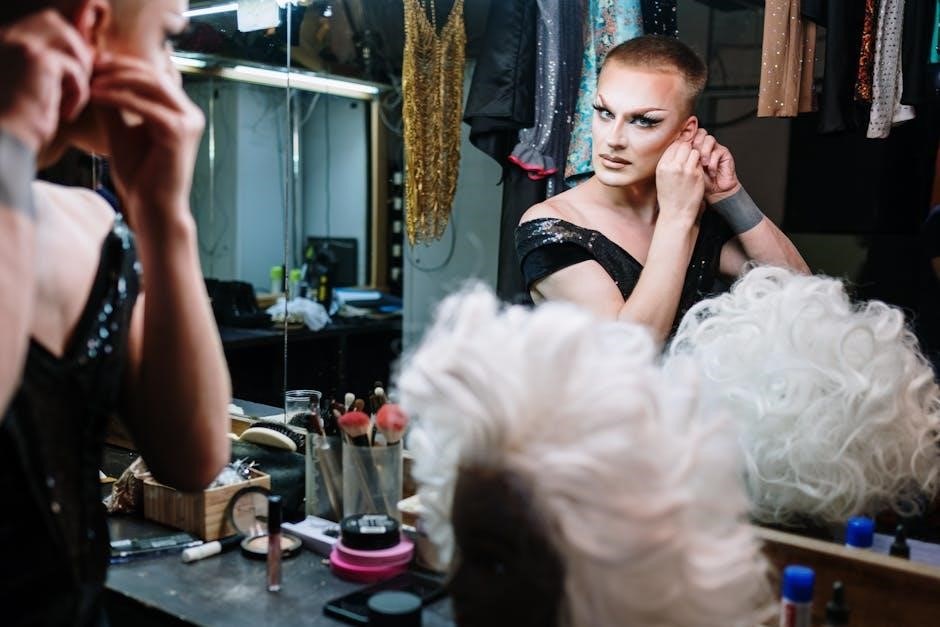
Online communities and local support groups offer invaluable connection, advice, and encouragement for crossdressers navigating their journeys and seeking shared experiences․
These platforms provide safe spaces to ask questions, share stories, and build friendships with like-minded individuals, fostering acceptance and understanding․
Online Communities and Forums
Online communities represent a cornerstone of support for individuals exploring crossdressing, offering a wealth of information and a sense of belonging․ Numerous forums and websites cater specifically to crossdressers, providing platforms for discussion, advice, and shared experiences․ These digital spaces allow beginners to ask questions in a safe and non-judgmental environment, learning from those further along in their journeys․
Popular platforms often feature dedicated sections for various topics, including wardrobe advice, makeup tutorials, and navigating social situations․ Beyond forums, social media groups on platforms like Reddit and Facebook provide instant connection and a constant stream of inspiration․ Remember to prioritize your safety and privacy when engaging in online communities, being mindful of the information you share and the individuals you interact with․ These resources can be incredibly empowering, fostering self-acceptance and confidence․
Local Support Groups
While online communities offer valuable support, local support groups provide the unique benefit of face-to-face interaction and real-world connection․ These groups create a safe and confidential space for crossdressers to share experiences, offer encouragement, and build friendships within their communities․ Finding a local group can be more challenging than online, but the rewards are significant․
Search online directories or utilize LGBTQ+ community centers as starting points for locating groups in your area․ Attending a meeting can initially feel daunting, but remember that everyone shares a common understanding and a desire for acceptance․ Local groups often organize social events, workshops, and outings, fostering a sense of camaraderie and providing opportunities to practice presentation in a supportive setting․ These in-person connections can be profoundly impactful, offering a level of support that online forums simply cannot replicate․