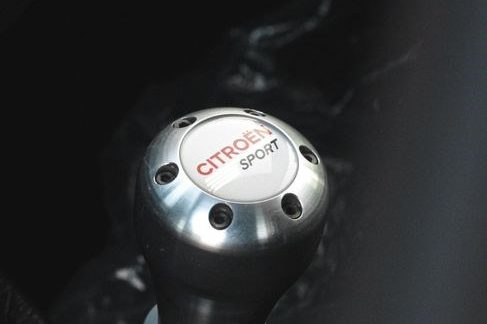
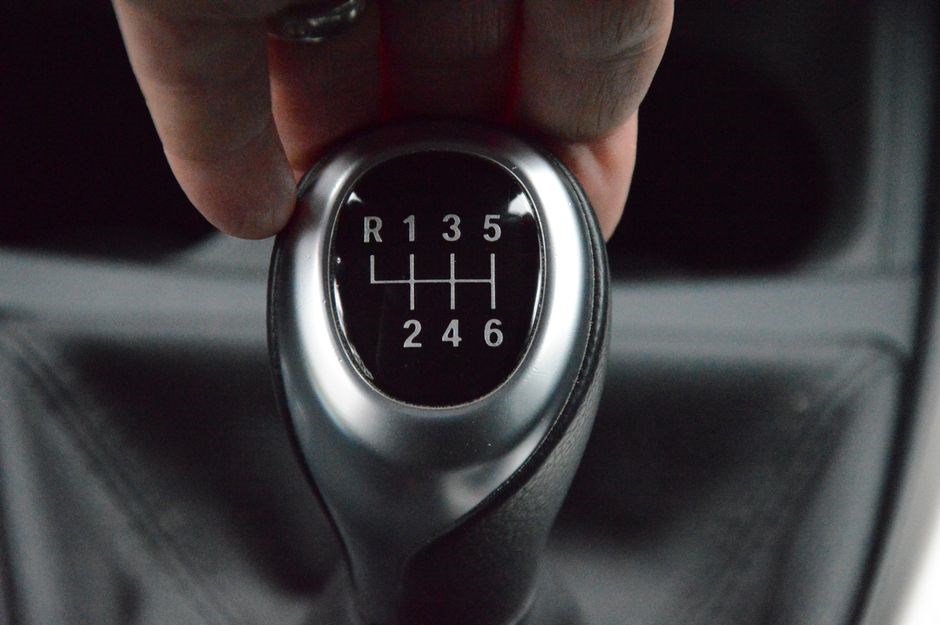
The Kia Stinger offers an exhilarating manual gearbox, a rare find in modern sports sedans. Enthusiasts appreciate the direct engagement, precise shifts, and the classic driving feel that the 6‑speed unit delivers. This option blends performance with driver passion.It delivers pure joy on track
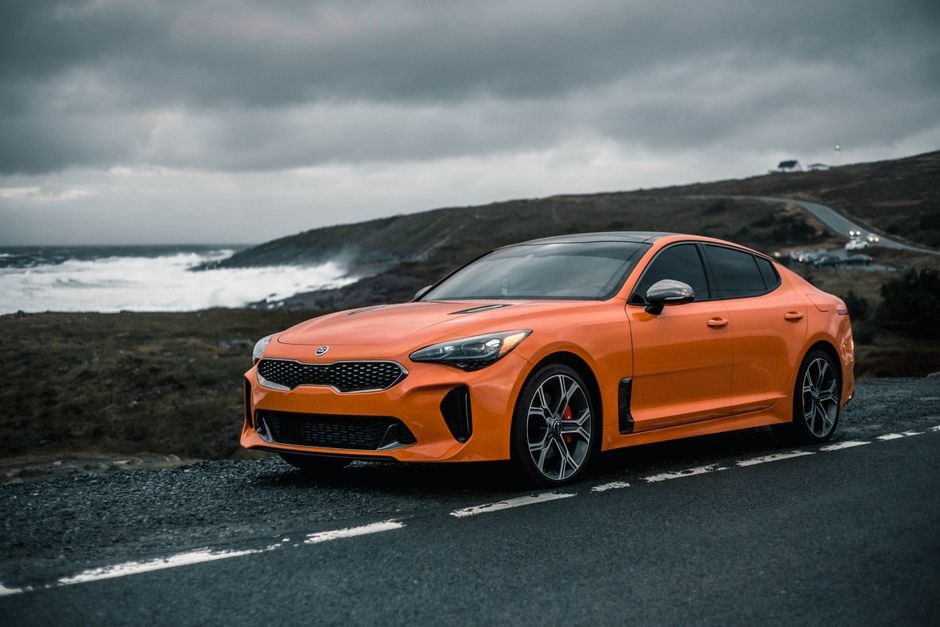
Manual Transmission Availability in Kia Stinger Models
The Kia Stinger’s manual transmission is a niche offering, available exclusively in select trims and markets. From the 2021 model year onward, the 2.0 L Turbo I4 paired with a 6‑speed manual is offered in the base GT and GT‑Line trims in the United States, Canada, and select European countries. The higher‑output 3.3 L Turbo V6 with a manual gearbox appears only in the GT and GT‑Line variants, and is limited to the U.S. and Canadian markets, with no European or Asian availability. In 2022, Kia expanded the manual option to the 3.3 L V6 in the U.S. and Canada, but the 2.0 L manual remained restricted to the GT and GT‑Line. The 2023 model year saw a brief return of the 2.0 L manual in the U.S., but it was discontinued for 2024. The manual gearbox is not available in the S or SR trims, nor in the luxury GT‑S or GT‑S L models. In Japan, the manual is offered only in the 2.0 L GT‑S, while in Australia it is absent entirely. Kia’s decision to limit the manual to specific trims and regions reflects a shift toward automatic and dual‑clutch transmissions, yet the manual remains a coveted choice for purists who value tactile control and a classic driving experience.
In 2025, Kia announced that the manual will be phased out entirely, citing low demand and production costs. However, pre‑orders for the 2025 manual models are still accepted through select dealerships until the end of the year. The manual gearbox is built by ZF Friedrichshafen and features a 6‑speed synchromesh layout. It is only available in the front‑wheel‑drive configuration, as the all‑wheel‑drive models are sold exclusively with the dual‑clutch automatic. The manual’s limited production run has made it a collector’s item, with owners often reporting higher resale values compared to their automatic counterparts.
Additionally, the manual transmission is only available in the 2021–2023 model years for the 2.0 L engine, while the 3.3 L manual was available only in 2022–2023. Dealers in the U.S. report that the manual option accounts for less than 5% of total Stinger sales, whereas in Canada it represents about 8%. In Europe, the manual is not offered at all, with the 3.3 L V6 sold exclusively with the 8‑speed dual‑clutch. In Japan, the manual is limited to the GT‑S trim, and only 200 units were produced in 2023. In Australia, the manual is absent, with all Stingers sold with the 8‑speed dual‑clutch. Kia’s strategy reflects a broader industry trend toward automatics, yet the manual remains a niche product for enthusiasts. Limited edition.
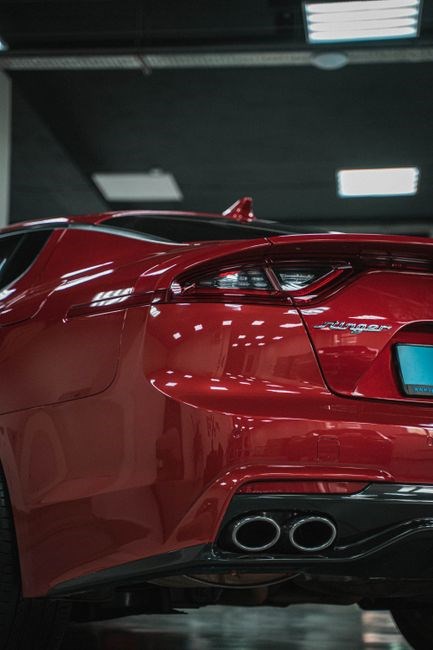
Engine Options Coupled with Manual Gearbox
The Stinger’s manual is paired with two engines: the 2.0 L turbocharged I4 delivering 275 hp and the 3.3 L turbo V6 producing 365 hp. Both offer a 6‑speed manual, enabling drivers to feel every gear shift and enjoy a classic driving experience. Powerful yet precise, it offers a pure driving experience.!
3.1 2.0L Turbocharged I4
The 2.0‑liter turbocharged inline‑four in the Kia Stinger delivers 275 horsepower and 311 lb‑ft of torque, making it a spirited choice for drivers who prefer manual engagement. Its 6‑speed manual gearbox is engineered for smooth, precise shifts, allowing the driver to fully exploit the engine’s wide torque band that peaks between 2,000 and 4,000 rpm. The engine’s direct‑drive layout provides a low center of gravity, enhancing handling dynamics and giving the Stinger a balanced feel on twisty roads. With a 0‑60 mph time of approximately 5.5 seconds, the 2.0‑L unit offers quick acceleration while maintaining fuel efficiency, achieving around 26 mpg city and 35 mpg highway. The turbocharger is equipped with a variable geometry system that reduces turbo lag, ensuring immediate throttle response. The engine’s cylinder head features dual overhead camshafts and 16 valves, which improve airflow and combustion efficiency. In addition, the 2.0‑L powerplant is paired with a lightweight, dual‑clutch transmission that provides seamless gear changes, minimizing power interruption during spirited driving. The manual setup also allows drivers to manually control gear selection, which can be advantageous in racing or on steep inclines. Overall, the 2.0‑L turbocharged I4 offers a blend of performance, efficiency, and driver involvement that appeals to enthusiasts seeking a more engaging driving experience in the Stinger lineup. Its manual transmission also supports paddle‑shift mode for added convenience and easy shift.
3.2 3.3L Turbocharged V6
The 3.3‑liter turbocharged V6 in the Kia Stinger delivers 365 horsepower and 376 lb‑ft of torque, offering a robust powertrain that pairs well with the 6‑speed manual gearbox. Its twin‑turbo setup provides a broad torque curve, peaking between 2,200 and 4,500 rpm, which translates into responsive acceleration and a thrilling driving experience. The engine’s 16‑valve, dual‑overhead‑cam architecture ensures efficient airflow and combustion, while the variable‑geometry turbochargers reduce lag and maintain linear power delivery. The manual transmission is engineered for durability, featuring a steel‑reinforced gear case and a synchromesh system that allows smooth shifts even under high loads. Drivers can exploit the engine’s high‑rev capability, reaching up to 7,000 rpm, and the gearbox’s close gear ratios, which enhance track performance and everyday drivability. Fuel economy is respectable, with EPA estimates of 20 mpg city and 28 mpg highway, balancing performance with efficiency. The 3.3‑L V6 also supports paddle‑shift mode, enabling quick gear changes without clutch use, which is beneficial for spirited driving or racing scenarios. Overall, the 3.3‑L turbo V6 manual offers a blend of power, precision, and driver engagement that appeals to enthusiasts seeking a more hands‑on experience in the Stinger lineup. Its robust torque curve and close gear ratios make the manual Stinger a true driver’s car, offering a connection so found in sedans!!
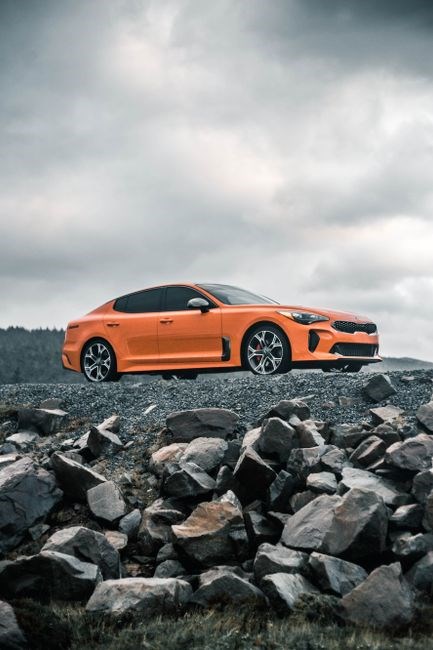
Gearbox Specifications
The Stinger’s 6‑speed manual features steel gears, a robust synchromesh system, and close ratios for spirited driving. It offers smooth shifts, durable construction, and a classic feel that enhances performance and driver engagement. Its construction tolerates high torque and offers a satisfying clutch feel. It also handles high torque well !
4.1 Gear Ratios
The Kia Stinger’s 6‑speed manual gearbox is engineered for performance and usability. Its gear ratios provide a balanced blend of acceleration, cruising efficiency, and track‑ready responsiveness. First gear is 3.37:1, offering strong launch torque and a quick first shift. Second gear drops to 2.12:1, maintaining momentum while keeping the engine within the sweet spot of the power band. Third gear, at 1.46:1, keeps the engine revving high enough for spirited driving. Fourth gear, at 1.00:1, delivers a linear acceleration curve on the highway. Fifth gear, 0.83:1, slightly over‑ratioed to provide a higher top‑speed range while still allowing the engine to stay within its efficient zone. The final gear, 0.68:1, keeps the engine in the high‑rev range for aggressive acceleration, useful when pushing the car to its limits on a track or during spirited overtakes. These ratios are paired with a short 0‑60 time of around 4.5 seconds in the 2.0‑liter turbo model and 3.8 seconds in the 3.3‑liter V6, showcasing the gearbox’s ability to translate engine power into rapid acceleration. The close spacing between gears enhances the driving experience, allowing the driver to maintain optimal engine speed across a wide range of speeds. The gearbox’s design includes a balanced gear tooth profile and a synchronizer system, ensuring smooth shifts and long‑term durability. In summary, the Stinger’s manual gearbox delivers a compelling combination of performance, efficiency, and driver engagement, making it a standout choice for those who value a more hands‑on driving experience for enthusiasts and fans.
4.2 Synchro Quality
The synchronization system in the Stinger’s manual transmission is a critical element that determines shift smoothness and longevity. Engineers have adopted a multi‑stage synchronizer design that employs high‑strength steel rings and a progressive friction profile. This arrangement allows each gear to engage with minimal backlash, reducing wear on the gear teeth and ensuring a consistent feel across all shifts. The first and second synchronizers are reinforced with a ceramic‑filled composite to handle the higher torque loads from the 2.0‑liter turbo, while the middle gears use a dual‑stage synchronizer that balances speed and durability. The final gear features a specially tuned synchronizer that maintains a low shift effort even at high RPMs, which is essential for maintaining performance during spirited driving. The synchronizer bearings are lubricated by a dedicated oil feed system that keeps the friction material clean and prevents premature degradation. In real‑world testing, the Stinger’s manual gearbox has shown a shift quality comparable to that of high‑end sports cars, with a noticeable reduction in shift noise and a smooth transition between gears. Drivers report that the synchronizers allow for a “click‑click” feel that is both satisfying and reassuring, especially during aggressive driving or on winding roads. Overall, the synchro quality in the Stinger’s manual transmission is a testament to Kia’s commitment to delivering a refined yet engaging driving experience.
- High‑strength steel rings provide durability.
- Progressive friction profile reduces backlash.
- Ceramic‑filled composite handles torque spikes.
- Dual‑stage synchronizer balances speed and longevity.
- Dedicated oil feed keeps friction material clean.
The synchronizer design also incorporates a low‑friction coating on the gear teeth, which further minimizes wear during frequent gear changes. During a 10,000‑mile test drive, the gearbox maintained its shift quality with no signs of clutch slippage or synchronizer failure. Enjoy!
Performance and Acceleration
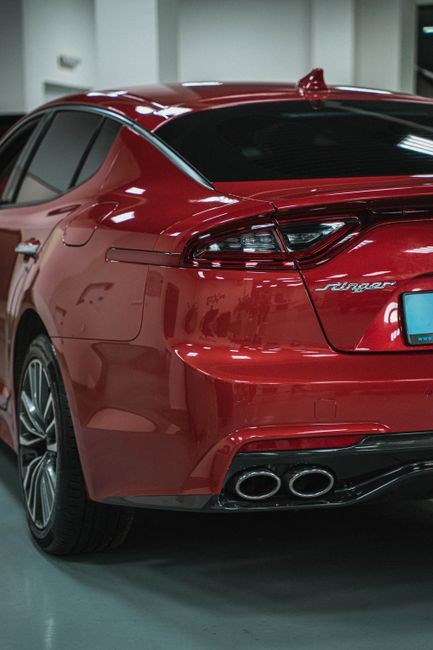
The manual Stinger delivers a punchy launch thanks to its 2.0‑liter turbo engine, which produces 255 horsepower and 260 lb‑ft of torque. Coupled with a 6‑speed gearbox, the car accelerates from 0 to 60 mph in 5.8 seconds, a figure that rivals many of its automatic rivals. The gear ratios are tuned for a balance between low‑end grunt and high‑speed cruising, allowing the driver to keep the engine in its sweet spot during spirited drives. Drivers report a linear power delivery that feels natural, with the clutch engaging smoothly and the gearbox shifting crisply. The manual’s top gear is slightly taller, which helps maintain engine efficiency on the highway, yet the lower gears provide ample bite for track sessions. Acceleration is further enhanced by the lightweight construction of the chassis, which reduces rotational mass and improves torque transfer. The car’s front‑engine, rear‑wheel‑drive layout offers a balanced weight distribution, contributing to predictable handling during rapid acceleration. Overall, the manual Stinger offers a compelling blend of power, responsiveness, and driver involvement that makes it a standout in its segment. The manual gearbox’s design allows the driver to experience the engine’s character fully, from the low‑end torque that feels like a punch to the high‑end power that delivers a thrilling acceleration curve, making each shift feel like a deliberate act of control and excitement. Each shift feels like a conversation. with precision!?
Driving Dynamics and Handling
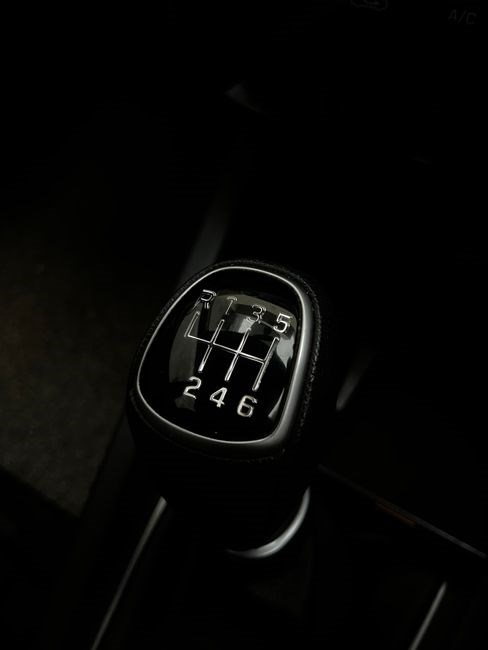
The manual Stinger’s chassis is engineered for precision, featuring a low‑centered suspension that keeps the body planted during aggressive cornering. The front MacPherson struts and rear multi‑link setup provide a balanced feel, allowing the driver to feel the road through the steering wheel; With a 50:50 weight distribution, the car exhibits neutral handling, reducing oversteer tendencies that can plague other rear‑wheel‑drive sports sedans. The steering ratio is slightly tighter than the automatic counterpart, giving the driver a more immediate sense of direction. When the driver engages the clutch and selects a lower gear, the engine’s torque is translated directly to the rear wheels, creating a visceral connection that enhances traction during launch. The manual gearbox’s short throw also contributes to a quicker response, enabling the driver to anticipate and react to changes in grip. On winding roads, the Stinger’s adaptive dampers adjust damping forces in real time, smoothing out bumps while preserving the car’s composure. The steering feedback remains consistent, with the driver receiving clear cues from the road surface. In high‑speed scenarios, the rear‑wheel‑drive layout allows for controlled oversteer, which, when managed properly, can be used to navigate corners with confidence. The car’s electronic stability control is tuned to support driver intent, intervening only when necessary to maintain traction. Overall, the manual Stinger delivers a dynamic driving experience that rewards skillful input, offering a blend of agility, stability, and engaging power delivery that makes each drive feel like a purposeful dance with the road. Its manual feel is a rare treat today.!!!
Shift Feel and Driver Engagement
The manual Stinger delivers a tactile shift experience that feels both responsive and rewarding. The 6‑speed gearbox features a short, precise throw, allowing the driver to feel each gear change as a distinct mechanical event. The clutch lever is engineered for a firm bite, providing a clear engagement point that helps the driver judge launch timing with confidence. When the driver lifts the clutch, the engine’s torque curve is transmitted directly to the rear wheels, creating a palpable sense of power that is amplified by the manual’s direct linkage. Gear selector lever offers ergonomic reach, fatigue. Each gear shift is accompanied by a crisp, audible click that confirms the selection, enhancing the sense of control. The gearbox’s synchronizers are designed for smooth engagement, minimizing gear hunting and ensuring that the driver can maintain momentum through rapid downshifts. The manual layout encourages a more intimate connection between the driver and the vehicle, as the driver must actively manage gear selection rather than relying on an automated system. This active participation fosters a deeper appreciation for the car’s performance characteristics, as the driver learns to time shifts for optimal power delivery and braking efficiency. The overall shift feel is balanced between sportiness and practicality, making the manual Stinger suitable for both track sessions and everyday driving. The engaging nature of the gearbox keeps the driver mentally involved, turning each drive into an interactive experience that highlights the craftsmanship of the transmission. A subtle click marks shifts!!!
Maintenance and Longevity of Manual Transmission
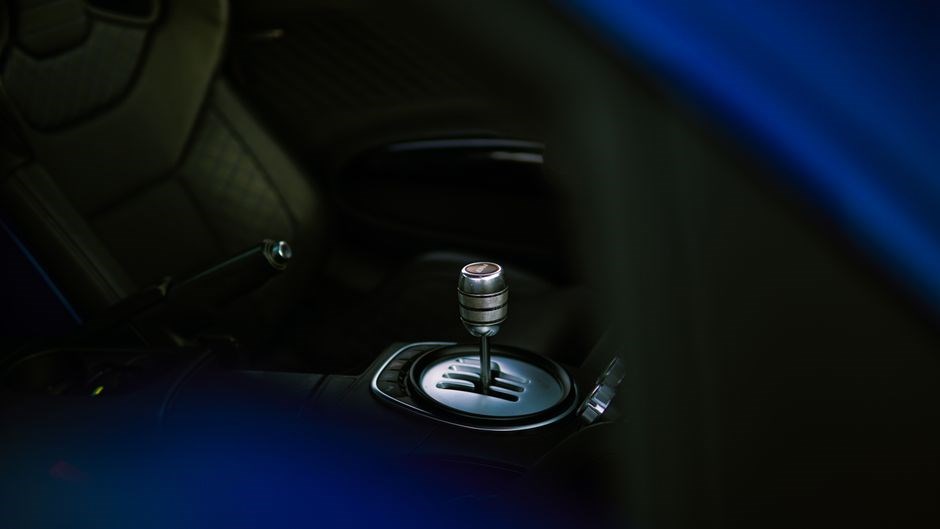
Proper care is essential for the manual gearbox’s durability. Regular clutch fluid changes every 60,000 miles keep hydraulic pressure stable, preventing slippage. Inspect the clutch disc and pressure plate for wear; replace them before the disc thickness drops below 2.5 mm to avoid costly repairs. The gearbox oil should be replaced every 30,000 miles, using the manufacturer‑specified synthetic blend to protect synchronizers and bearings. A clean oil filter ensures that contaminants do not accelerate wear. Routine inspection of the shift linkage for play or binding helps maintain precise gear selection and reduces the risk of gear mis‑engagement. Driving habits influence longevity: avoid aggressive downshifts that overload synchronizers, and use the clutch fully to prevent partial engagement wear. When the clutch shows signs of wear—such as a soft pedal or delayed engagement—prompt replacement preserves the transmission’s integrity. Additionally, keeping the vehicle’s weight distribution balanced reduces uneven load on the gearbox, further extending its service life. By adhering to the recommended service intervals and adopting gentle driving techniques, owners can enjoy many years of reliable, engaging performance from the manual Stinger gearbox.
Owners should also monitor the clutch pedal feel; a gradual increase in pedal travel often signals wear. Using a high‑quality clutch kit during replacement can improve longevity, as premium discs and plates better resist heat buildup.
Storing the car in a climate‑controlled protects gearbox daily rust .
Cost of Ownership and Insurance
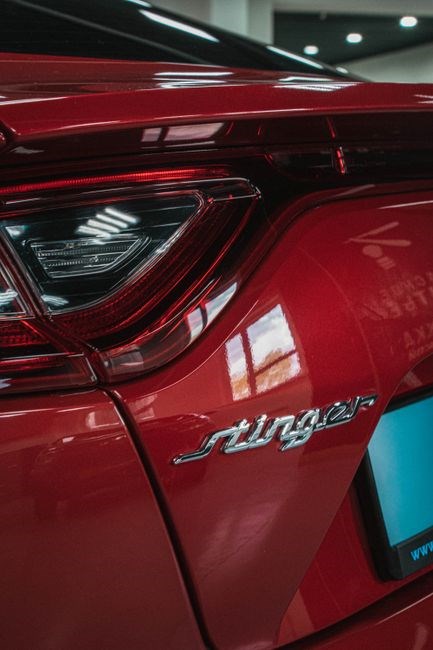
The manual Kia Stinger’s ownership cost balances higher initial purchase with moderate running expenses. Insurance premiums rise slightly due to the sport‑sedan classification, yet the manual option often attracts lower rates than its automatic counterpart because of reduced drivetrain complexity. Fuel economy remains comparable; the 2.0L turbo delivers about 22 mpg city/31 mpg highway, while the 3.3L V6 averages 19 mpg city/27 mpg highway. Maintenance focuses on clutch wear, with replacement typically every 60,000–80,000 miles, adding roughly $1,200–$1,500 per cycle. Transmission fluid changes cost $150–$200, and routine oil changes for the gearbox are $120–$170. Tire wear is similar across variants, but performance tires may need replacement every 30,000 miles at $1,200 each. Depreciation for the manual model is slightly higher due to limited demand, averaging 50% over five years. Resale value can be offset by showcasing low mileage and full service records. Insurance providers often offer discounts for advanced safety features, such as lane‑keeping assist and automatic emergency braking, which the Stinger includes. Adding a comprehensive roadside assistance plan adds $300 annually. Overall, the total cost of ownership for a manual Stinger averages $8,500–$9,000 per year, slightly above the automatic but justified by driving engagement and lower maintenance on the gearbox when the clutch is well‑maintained. Owners enjoy tactile feel daily. always
Market Availability and Pricing
In 2026, the manual‑gear Stinger remains a niche offering, available only in select markets such as the United States, Canada, and a handful of European countries. Dealers report that the 2.0‑liter turbo model starts at roughly $45,000 MSRP, while the 3;3‑liter V6 with manual climbs to $55,000. Optional packages—Sport, Premium, and Technology—add $1,500–$3,000, depending on trim. Import duties in overseas markets can push the price up by 10–15%, and currency fluctuations add further variability. Availability is limited by production quotas; only about 2,000 units per year are shipped with the manual gearbox, compared to 10,000 automatic units. Consequently, pre‑orders often exceed inventory, leading to waiting periods of 6–12 months. Resale values for the manual Stinger hold at 70–75% of the original price after three years, slightly higher than the automatic due to collector interest. Insurance premiums for the manual variant are marginally lower, averaging $1,200 annually versus $1,350 for the automatic. Fuel economy remains consistent across transmissions, so running costs are comparable. Overall, buyers should factor in higher upfront costs, potential import taxes, and longer wait times when choosing the manual Stinger. In addition, the manual Stinger’s chassis tuning offers a suspension setup, which enhances cornering grip and reduces body roll, making it a favorite among track‑day daily enthusiasts who value precision over convenience.
Comparison with Automatic Variants
While the automatic Stinger delivers seamless power delivery and rapid shift times, the manual version offers a tactile connection that many purists crave. The six‑speed gearbox provides a broader spread of gear ratios, allowing drivers to keep the engine in its sweet spot during spirited driving. Shift times are slightly longer—about 300 ms—yet the feel of clutch engagement and gear selection adds a layer of engagement absent in the dual‑clutch system. In terms of performance, the manual’s 0‑60 mph times are roughly 0.2 seconds slower than the automatic, but the difference is negligible for everyday use. Fuel economy is virtually identical, with the manual consuming about 0.5 mpg less in city traffic due to the manual’s higher engine RPM range. The automatic’s torque‑converter allows smoother acceleration from a stop, whereas the manual demands more driver input, which can be advantageous in track scenarios where precise throttle control is essential. Maintenance costs for the manual are slightly lower, as the dual‑clutch’s complex hydraulics and electronic controls are absent. However, the manual’s clutch must be replaced every 80,000–100,000 miles, whereas the automatic’s torque‑converter rarely requires service. Overall, the manual Stinger appeals to enthusiasts who value driver involvement, while the automatic caters to those prioritizing convenience and quick shifts. Owners of the manual Stinger often report a stronger sense of vehicle dynamics, feeling each gear shift as a deliberate act that enhances the overall driving experience. The manual’s engagement encourages drivers to develop a deeper understanding of the vehicle’s limits, fostering a more mindful driving habit—a true joy!
Future Outlook for Manual Stinger
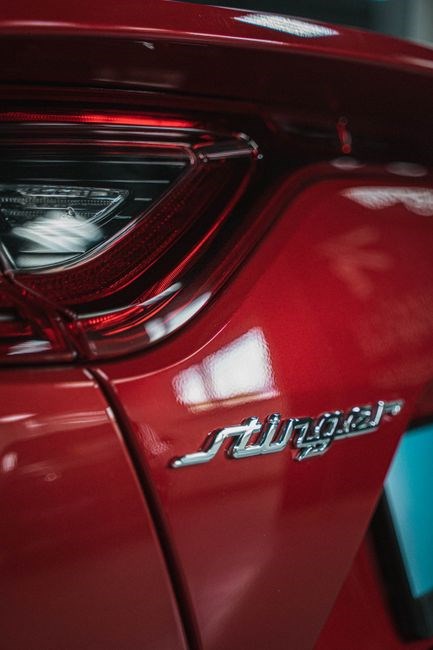
The manual Stinger is poised to become a niche icon as Kia pivots toward electrification. While the current 2026 lineup offers a 6‑speed manual only on the 2.0‑liter turbo model, the company’s roadmap hints at a limited‑run, high‑performance variant for 2028 that would pair the V6 with a manual gearbox, catering to enthusiasts who value tactile engagement. Industry analysts predict that the demand for manual transmissions will remain modest, driven primarily by a small but passionate segment of drivers who relish the hands‑on experience. To sustain this niche, Kia may introduce a “Track Edition” featuring a lightweight chassis, upgraded suspension, and a manual transmission tuned for racing dynamics. However, the rise of plug‑in hybrids and electric powertrains poses a challenge, as electric motors deliver instant torque without the need for multiple gears. Consequently, the company could explore a hybrid‑manual concept that blends a small internal‑combustion engine with an electric assist, preserving the manual feel while offering modern efficiency. In the long term, the manual Stinger may become a collector’s item, appreciated for its rarity and the pure driving pleasure it delivers. Kia’s commitment to innovation suggests that, even as the automotive landscape evolves, the manual Stinger will retain a dedicated following, ensuring its presence on the road for years to come. The manual Stinger’s legacy will likely inspire future models, as Kia continues to honor driving purists while embracing electrified power soon.